Detour Deals App Case Study
A proximity-based deal system where merchants can place offers anywhere and users unlock them on the spot. No accounts, no friction, just real-world discovery.

Detour Deals is a mobile concept app for discovering nearby merchant offers based on your location. Deals unlock when you’re within range and can be redeemed in-store with a simple QR flow.
Designed for fast, on the go use without accounts or friction.
Role: Product DesignerScope: User flows, interaction states, low-fidelity wireframes, system logic
Tools: Figma, FigJam
Timeline: 2–3 weeks
The Challenge
Users struggle to find deals when they actually need them because offers are scattered across apps, websites, and printed coupons. Existing platforms add friction with accounts, notifications, or loyalty systems.
Small merchants also lack a simple way to reach people out in the community, not just inside their store. No existing tool lets them place deals intentionally at real-world locations like farmers markets or parks.
Design Goal:
a lightweight, location-triggered system that unlocks deals on arrival and uses a simple QR flow for redemption.
Competitive Research
I compared Detour Deals against two dominant patterns in the market to understand how users currently discover offers and where meaningful gaps exist.
Most platforms fall into two categories:

1. Coupon Libraries
Local Deals App, Groupon, MyDealApp
Pattern:
These apps are mainly large catalogs of discounts. Users browse or purchase deals and redeem them later.
These apps are mainly large catalogs of discounts. Users browse or purchase deals and redeem them later.
Strengths:
• Lots of offers in one place
• Familiar, low learning curve
• Voucher-based redemption
• Lots of offers in one place
• Familiar, low learning curve
• Voucher-based redemption
Gaps:
• Not tied to real-world locations
• No reason to explore or move around
• Requires accounts, purchases, or loyalty flows
• Merchants can’t target specific physical spaces
• Not tied to real-world locations
• No reason to explore or move around
• Requires accounts, purchases, or loyalty flows
• Merchants can’t target specific physical spaces
2. Location-Based Deal Maps
FindMyDeals, Dealsby
Pattern:
These apps surface deals near the user’s current position, usually within a radius.
These apps surface deals near the user’s current position, usually within a radius.
Strengths:
• “Deals near me” is immediately useful
• Map view provides spatial context
• Some verification or personalization features
• “Deals near me” is immediately useful
• Map view provides spatial context
• Some verification or personalization features
Gaps:
• Deals aren’t placed intentionally, they’re auto-surfaced or available at the merchants location
• No unlock-on-arrival mechanic
• Still rely on accounts or tracking
• Not designed for events, markets, or community spaces
• Deals aren’t placed intentionally, they’re auto-surfaced or available at the merchants location
• No unlock-on-arrival mechanic
• Still rely on accounts or tracking
• Not designed for events, markets, or community spaces
The Opportunity: What No Other App Does
No platform lets merchants intentionally place deals anywhere to meet users where they already are.
This includes:
• Farmers markets
• Pop-up events
• Community festivals
• Parks and walking paths
• Tourist spots
• Even “fun” placements like mountaintops or landmarks
• Pop-up events
• Community festivals
• Parks and walking paths
• Tourist spots
• Even “fun” placements like mountaintops or landmarks
• No app unlocks deals only when you physically arrive
• No app uses lightweight, account-free redemption
• No app solves “meet users where they already are”
• No app uses lightweight, account-free redemption
• No app solves “meet users where they already are”
Who It’s For
The Explorer
Lives in walkable areas and checks for quick, nearby rewards while out in the city. Wants low-friction discovery with no accounts.
Lives in walkable areas and checks for quick, nearby rewards while out in the city. Wants low-friction discovery with no accounts.

The Local Merchant
Wants to reach customers attending farmers markets, events, or parks. Anywhere foot traffic already exists without complex loyalty tools.
Wants to reach customers attending farmers markets, events, or parks. Anywhere foot traffic already exists without complex loyalty tools.
Potential Impact
If tested as a pilot, Detour Deals could:
• Increase relevance by showing only hyper-local deals
• Boost redemption rates through proximity-triggered unlocks
• Reduce onboarding friction with no accounts or signup
• Help merchants reach customers in outdoor and community spaces
• Provide clearer in-store verification using QR codes
• Increase relevance by showing only hyper-local deals
• Boost redemption rates through proximity-triggered unlocks
• Reduce onboarding friction with no accounts or signup
• Help merchants reach customers in outdoor and community spaces
• Provide clearer in-store verification using QR codes
Success metrics I would measure:
• % of users who unlock a deal within the first session
• Conversion from unlocked → redeemed
• Merchant repeat posting
• Engagement with map vs list views
• % of users who unlock a deal within the first session
• Conversion from unlocked → redeemed
• Merchant repeat posting
• Engagement with map vs list views
Core User Flow: Discover → Unlock → Redeem
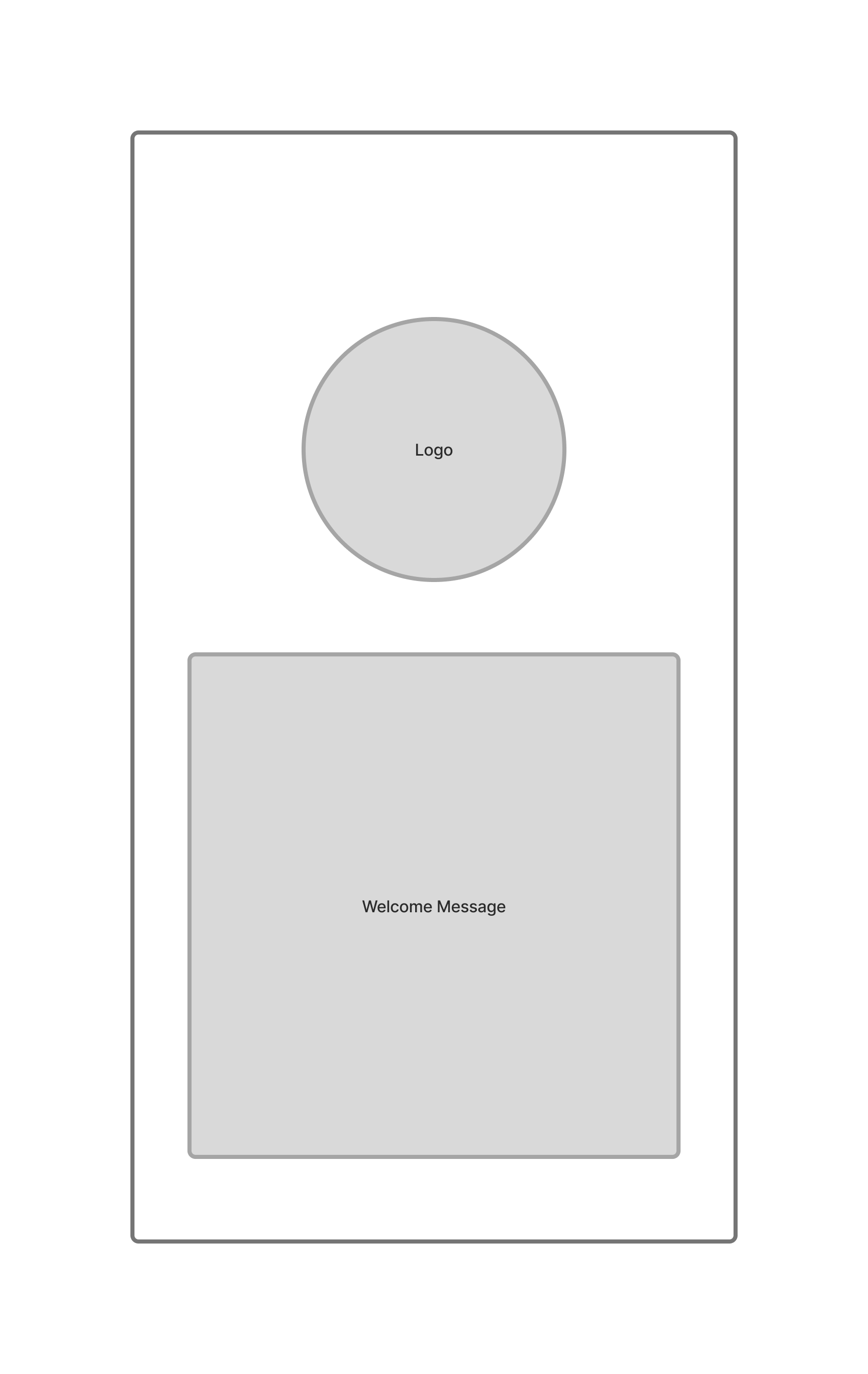
Splash Screen Introduces the brand and leads into onboarding.
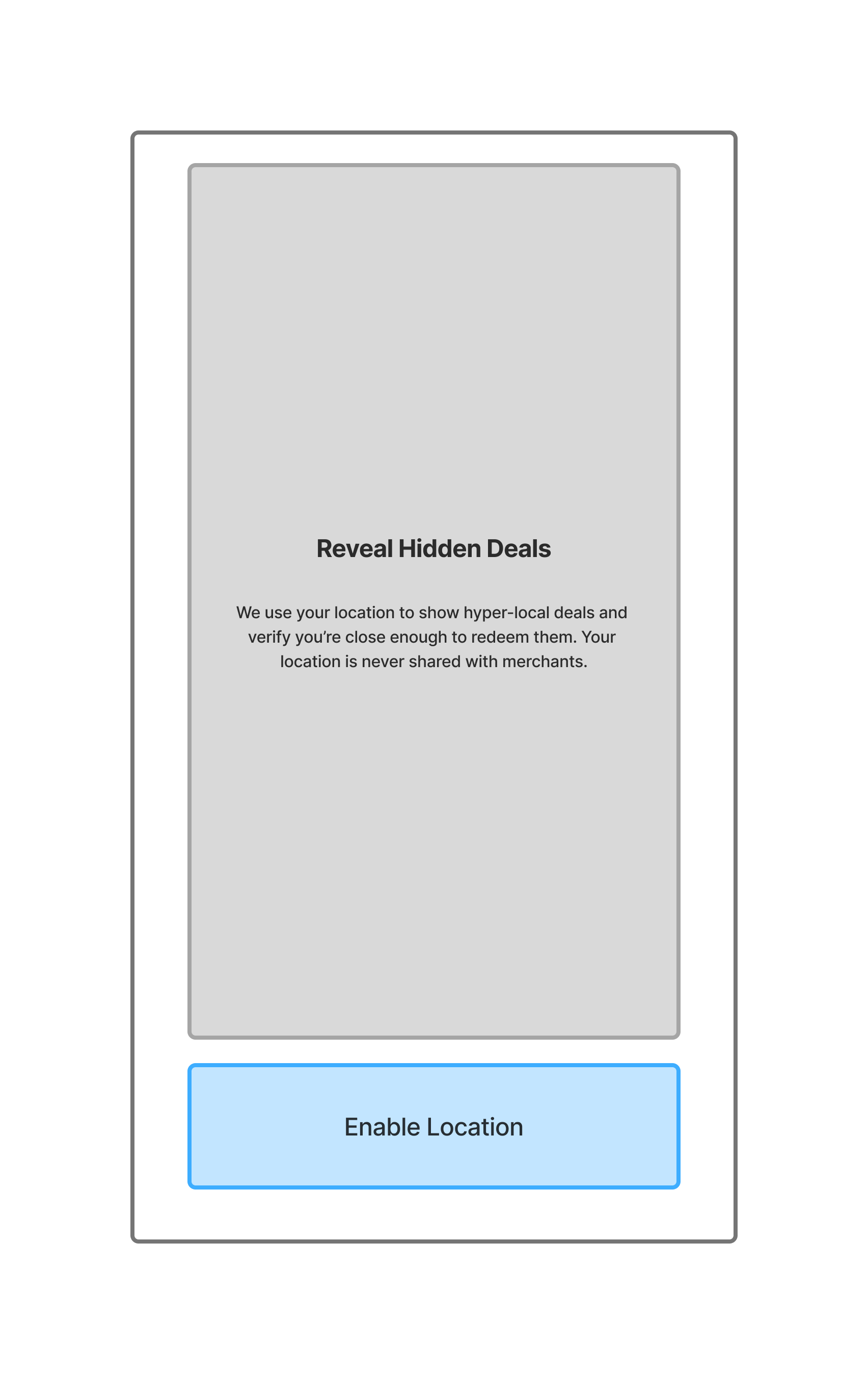
Permissions Screen Explains why location is needed and requests access.
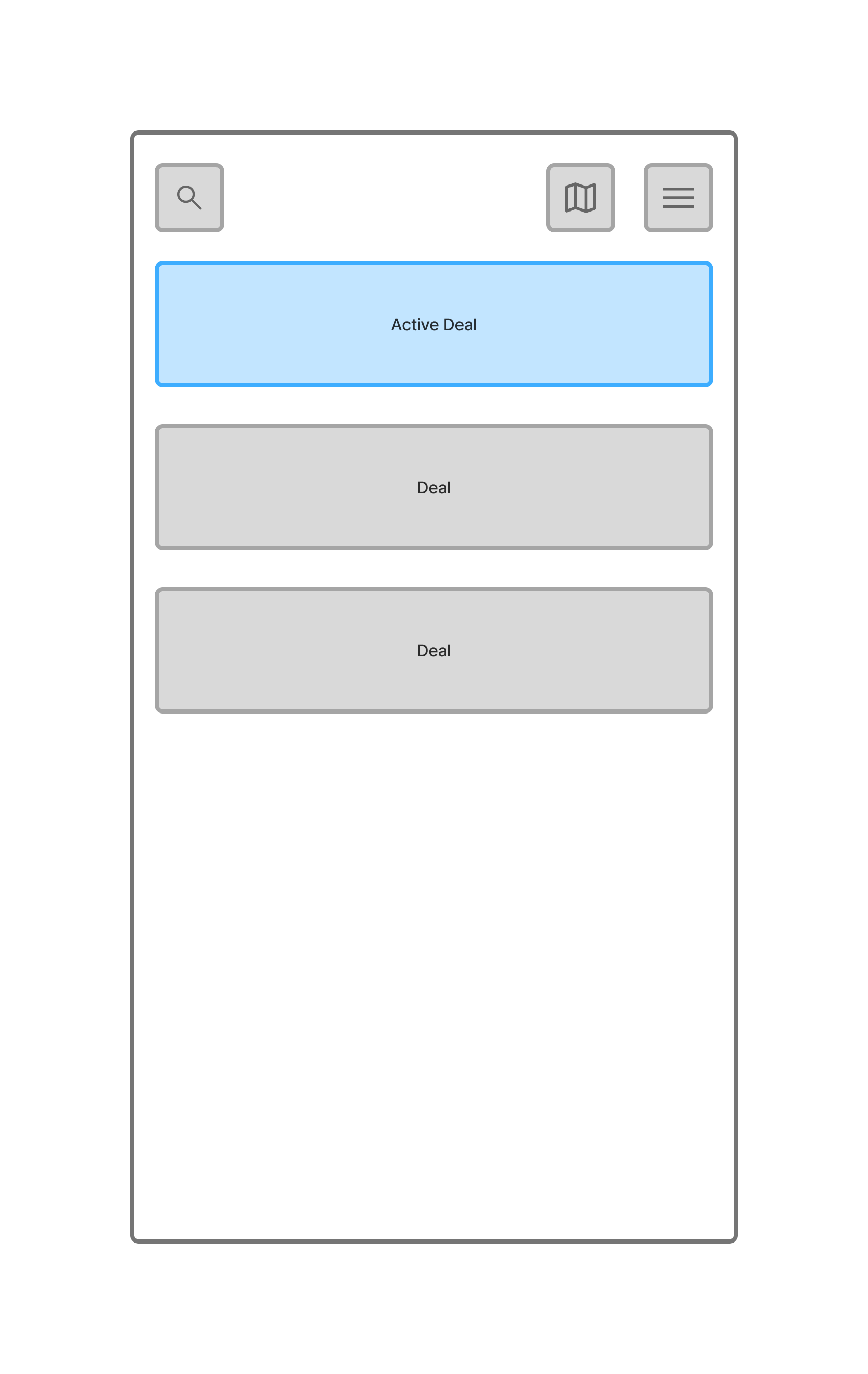
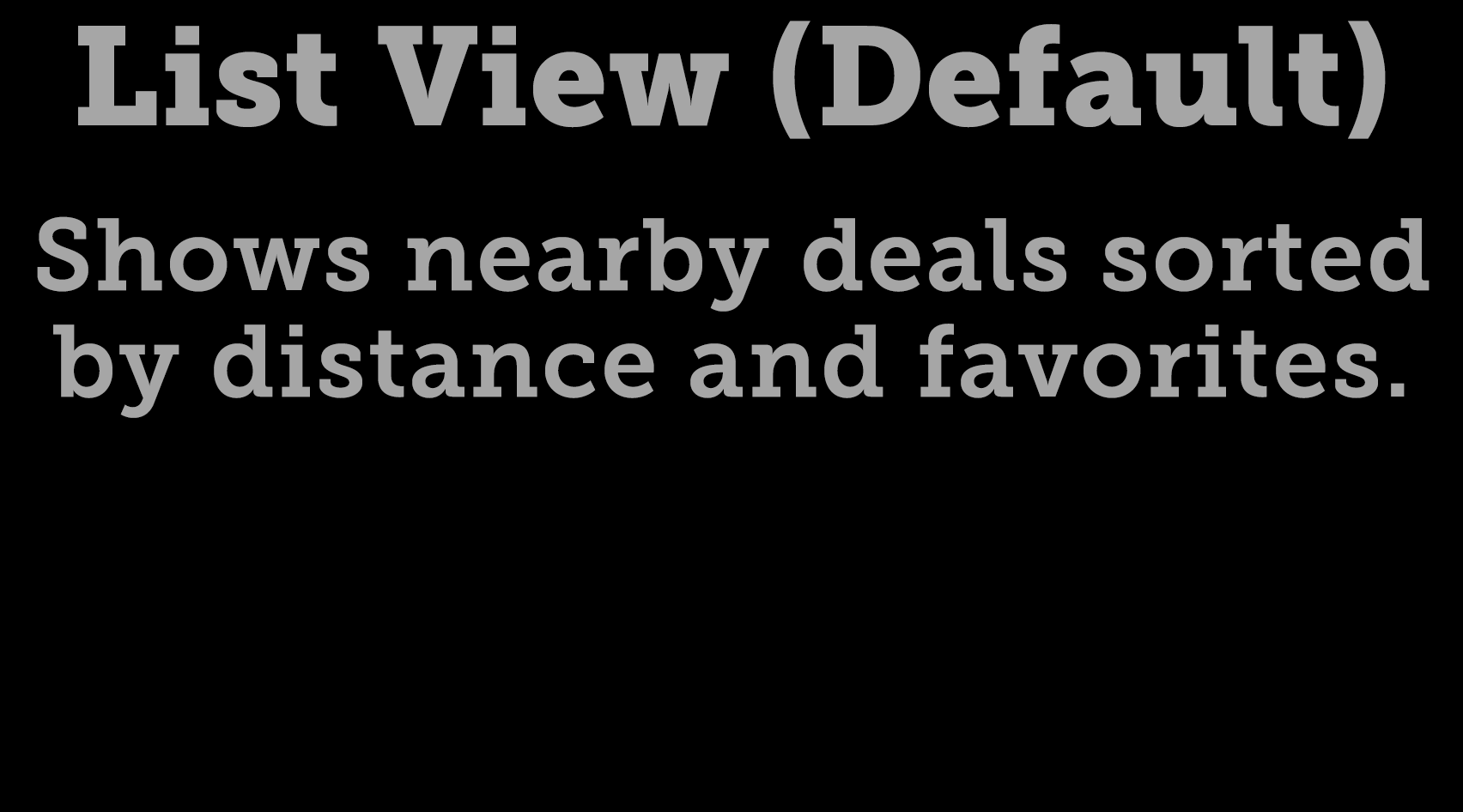
List View (Default) Shows nearby deals sorted by distance and favorites.
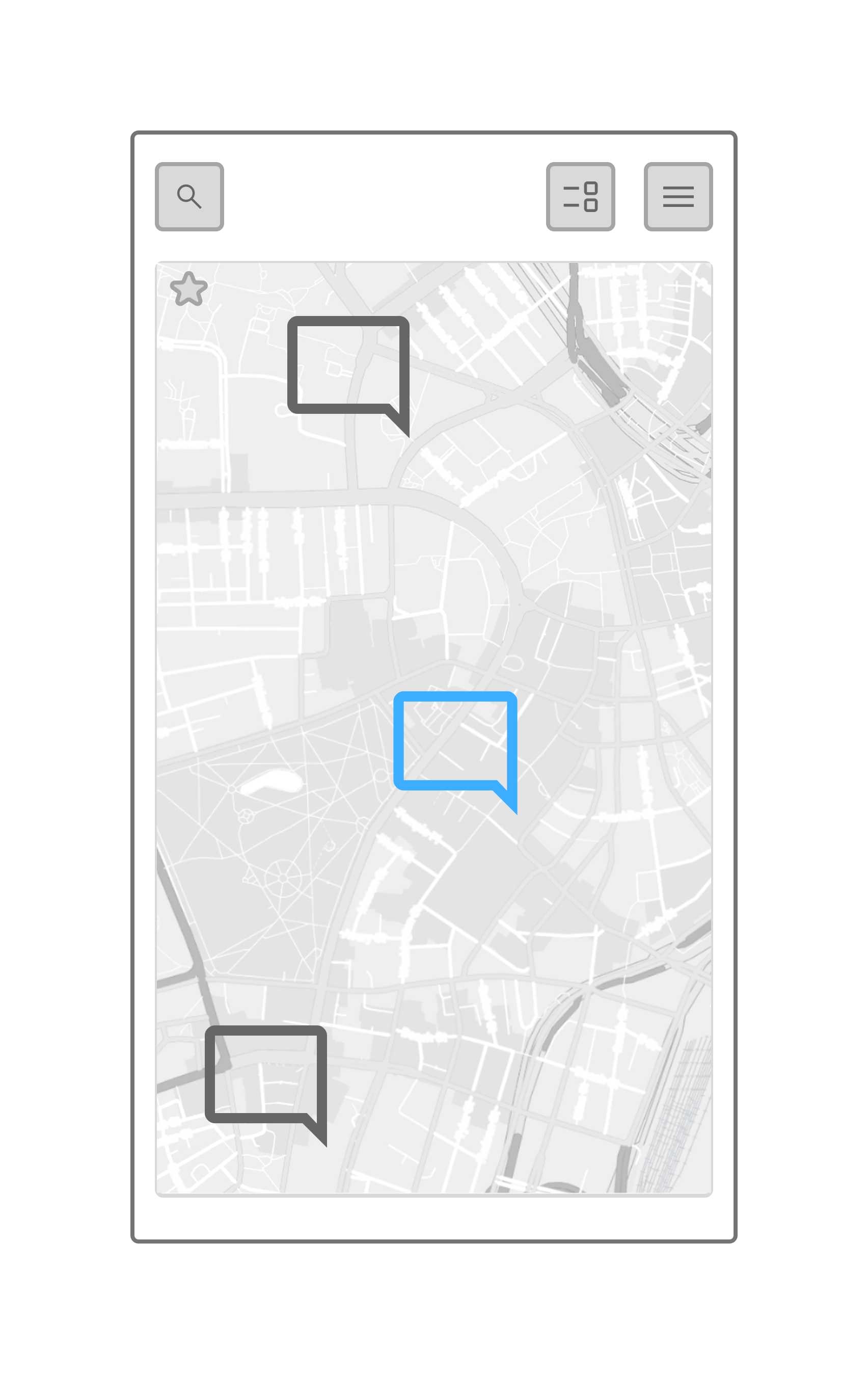
Map View Visual alternative for discovering deals spatially.

Deal View - Locked Deal is visible but can’t be claimed until user is in range.
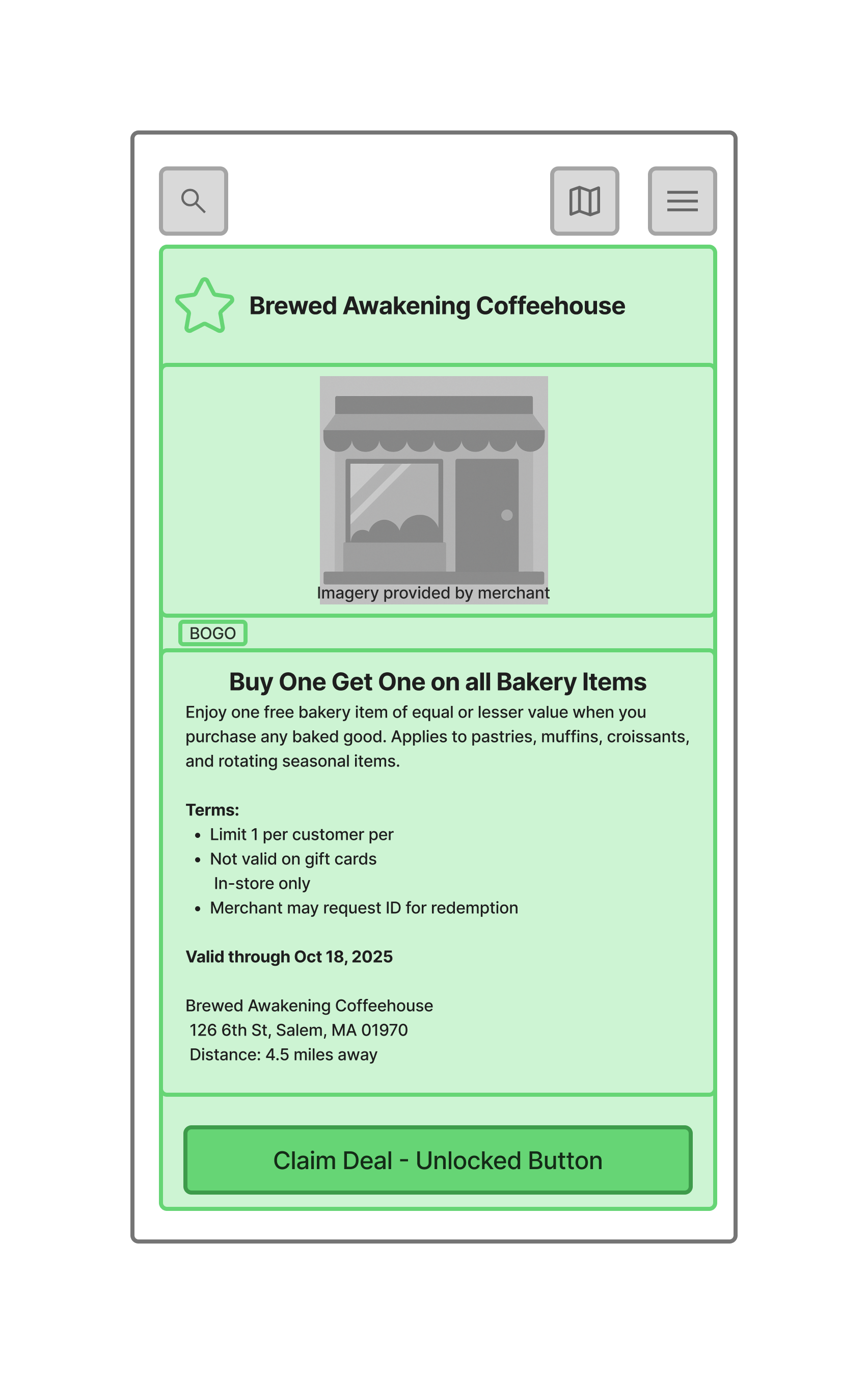
Deal View - Unlocked User is in the geo-fence and can now claim the offer.
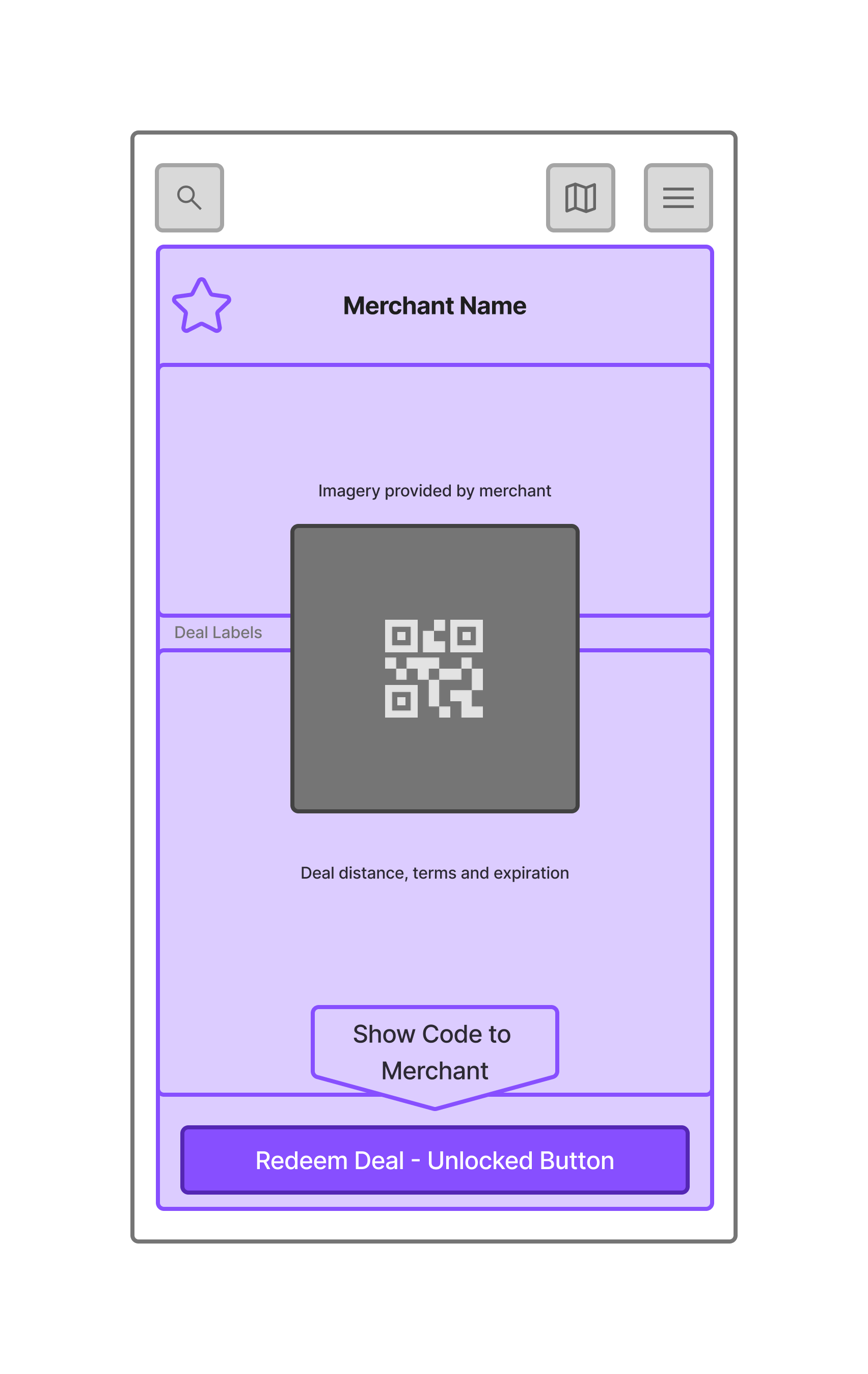
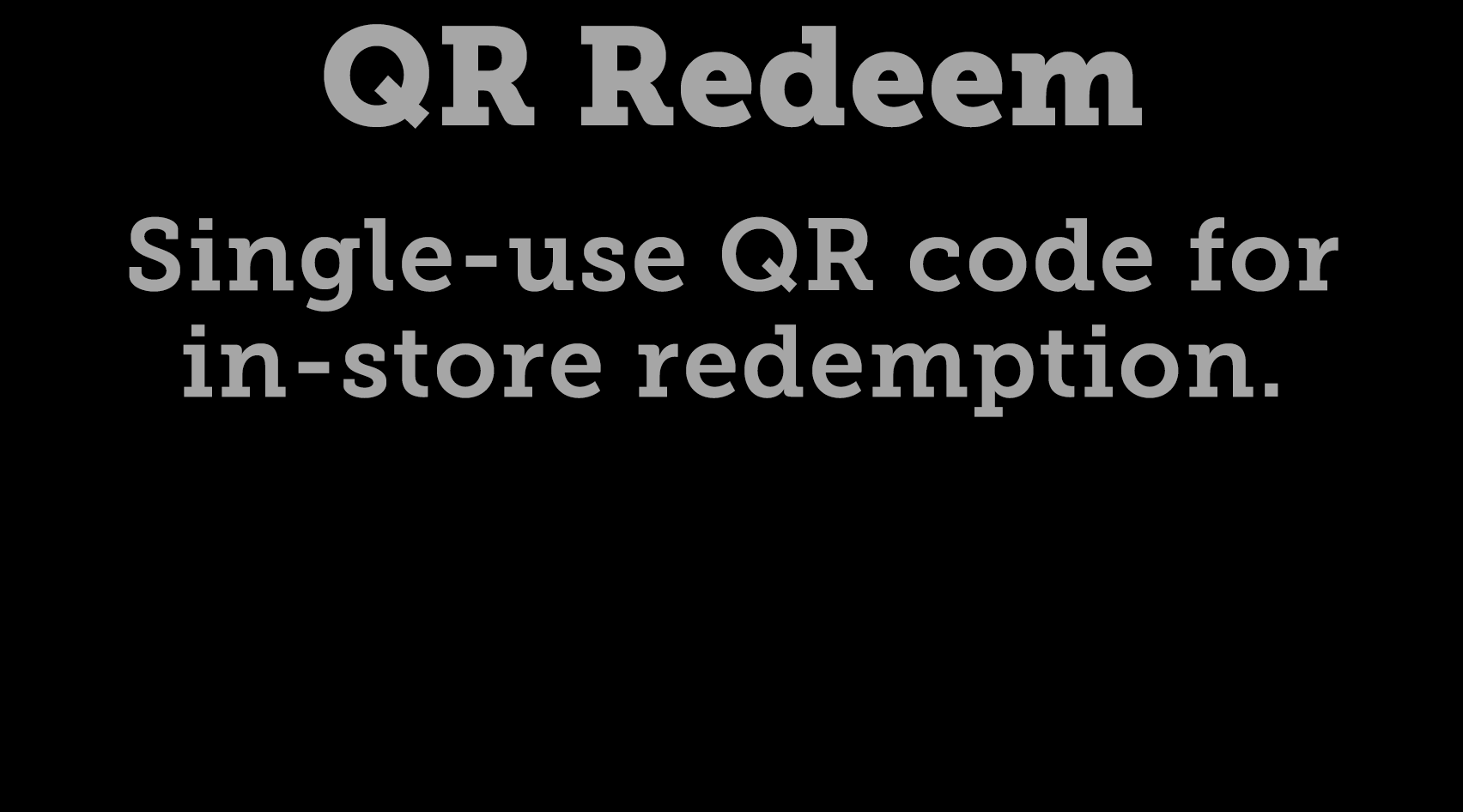
QR Redeem Single-use QR code for in-store redemption.




Supporting Flows
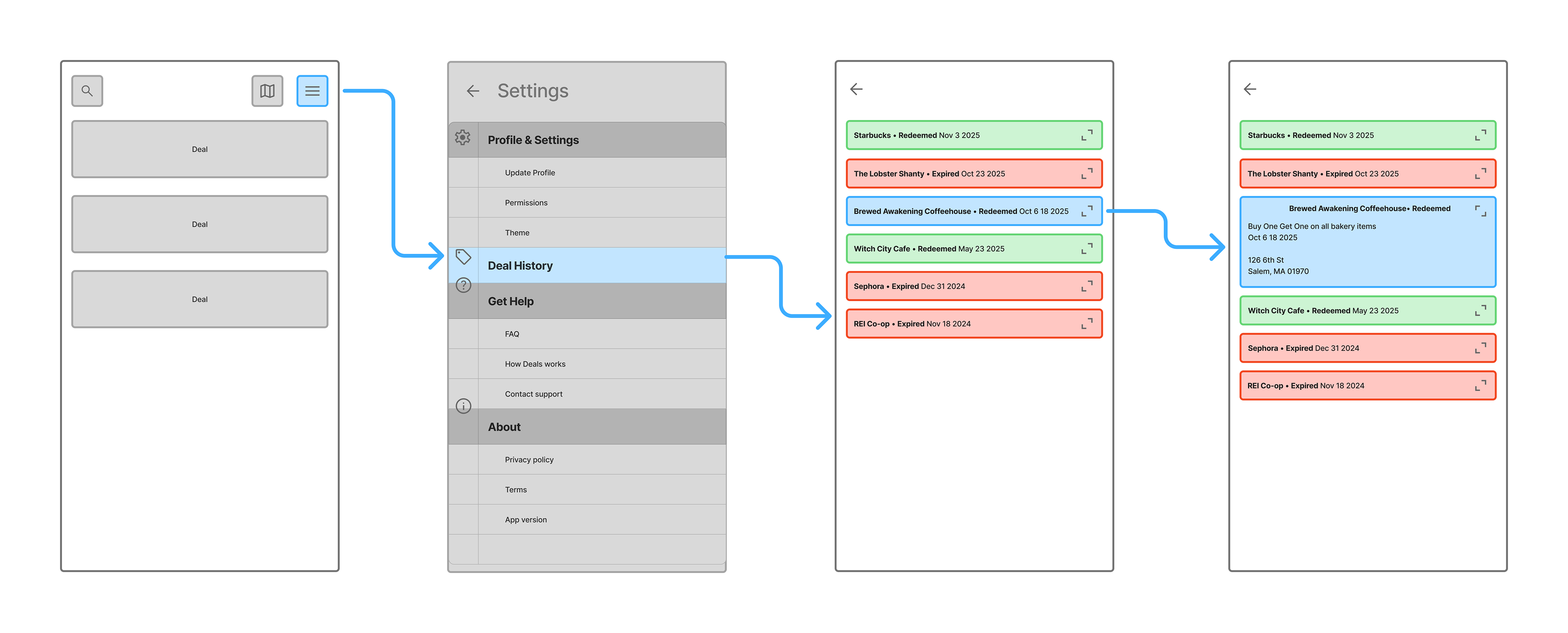
Menu & Deals History
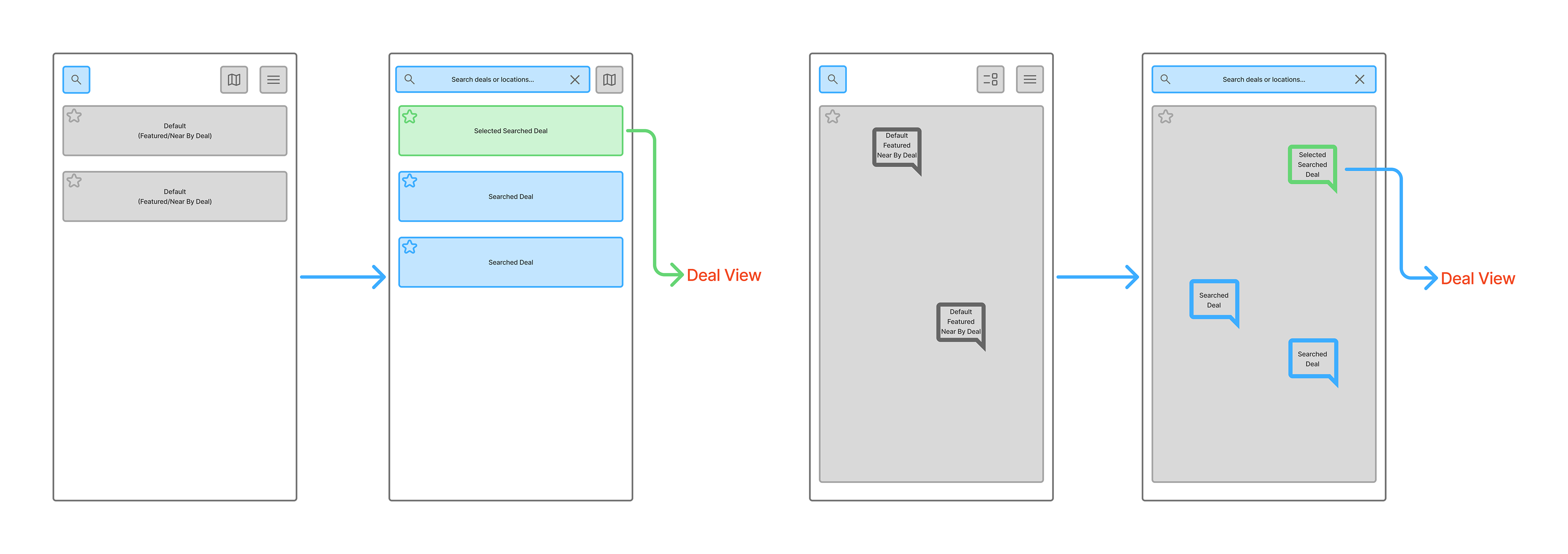
Search & Discover Deals
If you would like to see the full detailed flow check out the Detour Deals Case Study (FigJam Board)
Reflection
This project strengthened my ability to design around real-world constraints like geo-fencing, proximity logic, and frictionless onboarding. I also explored early concepts for a merchant dashboard to understand the other side of the ecosystem. If I continue this project, I’d prototype high-fidelity mobile screens and expand the merchant tools to validate how deals are placed, managed, and measured in real-world locations.